
Head-to-head contact is common during play at school, at home, and elsewhere (sports activities, playground, slumber parties, camp). People also use a number of home or natural remedies to get rid of head lice. But there is little to no clinical evidence that they're effective.
Hair Products
Head lice hold tightly to hair with hook-like claws at the end of each of their six legs. Head lice nits are cemented firmly to the hair shaft and can be difficult to remove even after the nymphs hatch and empty casings remain. Anyone can get head lice, although it’s much less likely for African American’s to get lice, which is likely due to thick, curly hair types (unsubstantiated with science). While a louse must travel from one host to another to live, they can survive for a few days without being attached to a host.
Prevalence Among Different Hair Types
I also make it a habit to not share hair products or accessories like combs, hats, and scarves, which can transfer lice. Lice infestation, known as pediculosis capitis, is caused by the parasite Pediculus humanus capitis. Effective lice treatment and proper prevention strategies are crucial for all individuals and communities. Head lice are less common in African American people than in other people, which is likely due to the head lice struggling to grip onto coily hair. However, African American people can still get head lice and should continue checking for the problem.
The Signs of Head Lice
It is important to note that lice can camouflage themselves to mimic their host. As a professional stylist, Omotosho suggests that people avoid sharing hair accessories, such as scrunchies, bonnets and head wraps, because lice tend to hide there. Black people often think of lice as a problem that only affects other races; however, the truth is, it can happen to anyone. Lice are highly contagious parasites that can easily spread from person to person through close contact. When you remove hair extensions, any present lice in them die off in two days or less, given their lack of feeding material.
What hair type is more susceptible to lice
If your child is diagnosed with lice, it’s important to alert the school nurse or your child’s teacher so that other children can be checked and the life cycle can be ended. Your options include over the counter products, natural products, and prescription products. When nits are found, the eggs have usually already hatched and turned into nymphs or adult lice which may or may not still be living in the hair. Head lice in afro hair can be challenging to identify if the hair is coarse, but not impossible. The easiest way to detect a case of lice is to look for nits on the hair shaft near the scalp. With this, the hair shape makes it difficult for super lice or any type to cling efficiently.
I’ve found that close contact with an infested person significantly increases the risk of getting head lice. Cleanliness isn’t as much of a factor as many think; lice can thrive in clean hair as well as hair that isn’t regularly washed. By understanding these elements, individuals can seek appropriate lice treatment and take preventive measures to avoid infestations. The steps for getting rid of head lice are generally the same, regardless of hair type. In addition, the researchers note that the use of hair oils could also play a part.
Does hair dye kill lice?
Malathion lotion is both ovicidal (kills a portion of lice eggs), and pediculicidal (kills the live lice). I understand that treating and preventing lice can be a straightforward process if the right methods are adopted. Accurate identification and consistent application of treatments are crucial. Here, I’ll discuss both the effective remedies for dealing with infestations and the measures that can preemptively halt the spread of these parasitic insects. A person should check the hair again 8–12 hours after the treatment and avoid rewashing it until at least 2 days afterward. It is important to continue to comb through the hair once a day with the comb to remove any dead lice.
We're here to guide you from chic styles to simplified care tips, promoting growth, and managing concerns like hair loss. Straightening the hair and using oils can speed the process up and make combing easier, especially for tender-headed people. Kids in preschool and elementary school, along with their household members, tend to get lice most often. Head lice are found in every country and across cultures and socioeconomic classes. If you have head lice, that just means you or your child had close contact with someone else who had head lice. Head lice should not be considered as a medical or public health hazard.
Black hair does not have a higher or lower chance of lice infestation than any other hair color. Contact with an infected person is the leading cause of contracting head lice. This may occur in the course of everyday activities, such as games, sports, sleepovers, or even classroom discussions.
African-American hair is typically thicker and has a different texture than other ethnic backgrounds. This hair type can make it more challenging to detect and remove lice and their eggs, known as nits. Head lice are spread by direct contact with the hair of an infested person. Anyone who comes in head-to-head contact with someone who already has head lice is at greatest risk. Spread by contact with clothing (such as hats, scarves, coats) or other personal items (such as combs, brushes, or towels) used by an infested person is uncommon. Personal hygiene or cleanliness in the home or school has nothing to do with getting head lice.
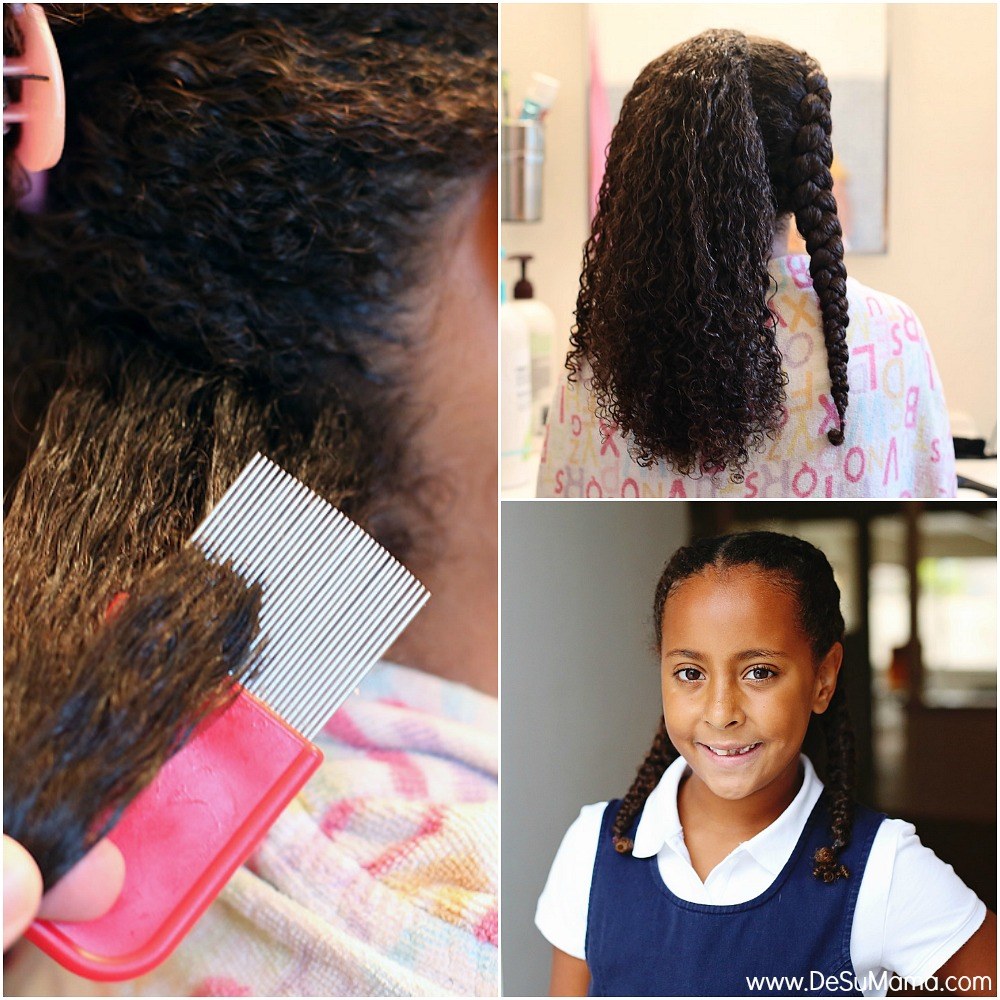
The key factors contributing to lice infestations include personal hygiene practices and close contact with infected individuals. Additionally, the risk factors for lice are universal, but tailoring treatment approaches to accommodate diverse hair types is essential for effective management. The diagnosis of a head lice infestation is best made by finding a live nymph or adult louse on the scalp or hair of a person. Because nymphs and adult lice are very small, move quickly, and avoid light, they can be difficult to find. Use of a magnifying lens and a fine-toothed comb may be helpful to find live lice. Nits that are attached more than ¼ inch from the base of the hair shaft are almost always dead or already hatched.
Your personal lice coach walks you through each step of doing a professional lice treatment at home in a series of videos. Regular head lice and super lice look precisely the same so that they can be any variety of colors, including black. Super lice and regular head lice are virtually the same bugs, except super lice has mutations that make them (and their eggs) very difficult to kill. The tell-tale sign of lice eggs is that they attach to the hair strand using glue, they will not flick, blow, or brush off. Out of 300 black schoolchildren checked in the Sikhutsele area, the study showed no evidence of head lice infection. Do you know that head lice are more likely to develop in children’s hair than adults?
A popular misconception is that head lice are attracted to “dirty” hair. In reality, the spread of lice is not affected by personal hygiene and the cleanliness of a person’s hair or environment. Teaching children to avoid certain types of play can lessen the chances of them getting infected by head lice. The most common way that the head lice are spread is from direct hair-to-hair or head-to-head contact. It is less common that the parasites can be spread by way of sharing belongings or clothing.
It turns out that white people tend to have round cross sections for their hair, a shape that our European lice are well adapted to. Black people, on the other hand, tend to have an oval cross section shape to their hair. This oval shape is just different enough to make lice uncommon with African-Americans. On the continent of Africa, however, there are lice that are well adapted to this oval shape resulting in plenty of African children suffering from lice. Henry told Insider anyone with curly hair who thinks they may have lice should enlist the help of an expert. Rather than wasting time and money trying to cure an infestation with over-the-counter products, Henry recommends calling a dermatologist and making an appointment.
There's a study examining a 10-year-old girl who experienced patchy hair loss on her scalp and had been diagnosed with head lice a month prior. When they examined the scalp where the hair loss occurred, a microscopic examination found nits. Even if your hair is not in a protective style, fine-tooth combs can cause breakage, which is why we often use wide-tooth combs on our hair. No, you cannot remove them from your head or your child’s hair without treating lice. Many parents and African-American people prefer going to the doctor for proper treatment, and some like to try different home-based remedies. In this case, head lice cannot easily spread on a black person or black kids because the shape of their hair is coily.
Having head lice isn't a sign of poor personal hygiene or an unclean living environment. Now that you know it is possible for black people to get lice you can keep an eye out for evidence of lice. When your child brings a note home from school saying that some of the children have lice, you can take precautions and not be taken by surprise. This narrow adaptation is why head lice live on humans and not animals and it is why a small change in hair shape is enough to, usually, keep lice away.




No comments:
Post a Comment